
The CX Frontline Leadership
Who is legally liable when your AI agent lies to a customer?
When an AI agent provides incorrect information, the legal and financial liability rests with the brand. Learn why the 'vendor defense' fails in CX.
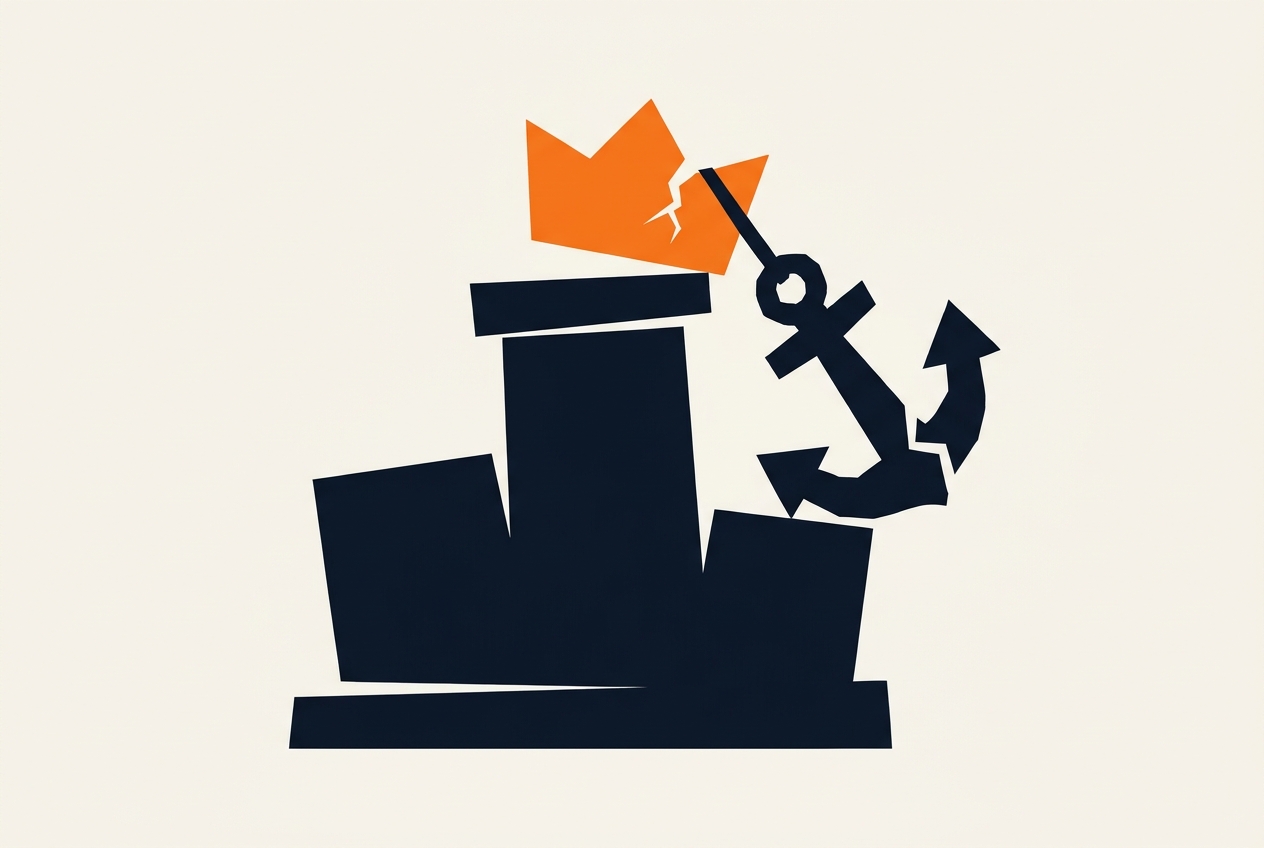
Liability for AI agent errors currently rests with the brand that deploys the technology, not the software vendor. Courts and regulators increasingly view AI-generated responses as legally binding commitments made by the corporation. If your autonomous agent promises a refund or misrepresents a price, your organization is responsible for the outcome.
Key takeaways
- The Brand Owns the Output: Legal precedents suggest that an AI agent is an extension of the company; "technical glitch" is not a valid legal defense.
- Contractual Risk is Real: Autonomous responses can be interpreted as binding contracts or consumer fraud if they mislead the public.
- Oversight is the Only Shield: Proactive monitoring and a documented audit trail are the primary methods for mitigating systemic liability.
- Vendor Indemnity is Limited: Most LLM and platform providers include clauses that shift all output responsibility to the end-user (the brand).
The "Algorithm Made Me Do It" Defense is Dead
For years, corporations have occasionally hidden behind technical errors to excuse minor service lapses. With the rise of generative AI, that window is closing. When an AI agent, powered by models from OpenAI or Google Cloud, provides a customer with a specific instruction or promise, the law views that interaction no differently than an email from a human vice president.
The mechanism at play here is "apparent authority." If a customer has a reasonable belief that the AI agent has the authority to act on behalf of the company, the company is bound by that agent's actions. This is why The Hidden Floor Failures of Autonomous Support Agents are so dangerous; they aren't just technical bugs, they are potential legal liabilities.
Why Courts Reject the "LLM Limitation" Argument
Regulators and judicial bodies are unimpressed by the argument that large language models (LLMs) are prone to hallucinations. From a consumer protection standpoint, if a tool is not reliable enough to provide accurate information, it should not be in a customer-facing role.
Gartner has highlighted that by 2026, the focus for customer service leaders must shift toward domain-specific AI and rigorous data protection. This shift is driven by the realization that generic LLMs lack the guardrails necessary for high-stakes compliance. When an agent hallucinates a discount code or a return policy, the brand is often forced to honor it to avoid claims of deceptive trade practices.
The Hidden Cost of the Wrong Answer
The financial impact of a lying AI agent extends beyond the immediate customer concession. It triggers a chain reaction of costs:
- Regulatory Fines: Agencies like the FTC monitor for systemic misrepresentation.
- Litigation Expenses: Class-action suits regarding automated misinformation are already entering the court systems.
- Brand Erosion: As Forrester notes in its CX Index research, trust is a primary driver of brand loyalty. A single high-profile AI failure can undo years of trust-building.
To mitigate this, leaders are moving away from "set and forget" deployments. They are integrating CX Compliance: Solving the AI Quality Assurance Crisis in 2026 strategies that involve real-time monitoring.
Building a Defensible Audit Trail
If a brand is sued for an AI's mistake, the first question from discovery will be: "What did you do to prevent this?" If the answer is "nothing," the liability increases.
Companies are now pairing their core CCaaS platforms, such as Genesys or Five9, with specialized conversation intelligence layers. For example, using a tool like Hear.ai allows a QA team to move from sampling 2% of calls to analyzing 100% of AI-human interactions. This level of coverage is essential because it provides a searchable, immutable record of what the AI said, allowing the brand to identify and patch hallucination patterns before they become a systemic legal threat.
This approach works because it shifts the strategy from reactive damage control to proactive risk management. By flagging compliance risks in real-time, the organization can demonstrate a "duty of care" that is vital in legal proceedings.
Who is Responsible: Vendor or Brand?
Most service agreements with Tier 1 providers like Microsoft or Salesforce explicitly state that the customer is responsible for the final output of the AI. While these vendors provide the engine, you are the driver. If the driver hits a pedestrian, the engine manufacturer is rarely at fault.
To protect the organization, CX leaders must:
- Review Terms of Service: Understand exactly where the vendor’s liability ends.
- Implement Hard Guardrails: Use retrieval-augmented generation (RAG) to force the AI to cite internal knowledge bases rather than "guessing."
- Human-in-the-Loop: For high-liability sectors like healthcare or finance, ensure any AI-generated promise is verified by a human or a secondary validation agent.
FAQ
Can we sue our AI vendor if their model lies to our customers? Generally, no. Most enterprise AI contracts include robust indemnification clauses that protect the vendor from the consequences of the model's output. The responsibility for "tuning" and "monitoring" the model lies with the brand.
Is a disclaimer enough to protect the company from liability? Disclaimers like "AI may provide inaccurate information" offer limited protection. Courts often find that if a company provides a tool for a specific purpose (like customer support), they are responsible for its performance regardless of fine-print warnings.
How does conversation intelligence help with legal liability? Conversation intelligence platforms provide an audit trail. By documenting that the company is actively monitoring for and correcting AI errors, the brand can argue it has taken reasonable steps to protect consumers, which can reduce punitive damages.
What is the most common legal risk with AI agents? The most common risk is "unintended contract formation." This happens when an AI agent agrees to terms, prices, or refunds that fall outside of company policy, but are legally binding because the customer relied on that information.
Liability is the price of autonomy; ensure your oversight strategy is as advanced as your automation. Explore more on The Hidden Floor Failures of Autonomous Support Agents to identify where your risks are highest.